



Understanding the psychology behind high-stakes gambling decisions
The Thrill of Risk and Reward
High-stakes gambling often centers around the intoxicating thrill that comes with taking risks. For many players, the adrenaline rush associated with placing large bets creates a sense of excitement that cannot be replicated in ordinary life. This thrill-seeking behavior is deeply rooted in psychology; the anticipation of winning big can lead to elevated levels of dopamine, the neurotransmitter associated with pleasure. Such dynamics make engaging with platforms like LolaJack licensed casino especially enticing and can lead to a powerful compulsion to continue playing, even when the odds are against them.
Moreover, the concept of risk versus reward is a fundamental aspect of decision-making in high-stakes environments. Gamblers often weigh the potential rewards against the likelihood of losses, sometimes overlooking the latter in favor of the former. This selective focus can lead to irrational decision-making, where players ignore statistical probabilities in pursuit of an elusive jackpot. The psychological mechanics behind this can be linked to cognitive biases, such as the illusion of control, where players believe they can influence outcomes that are inherently random.
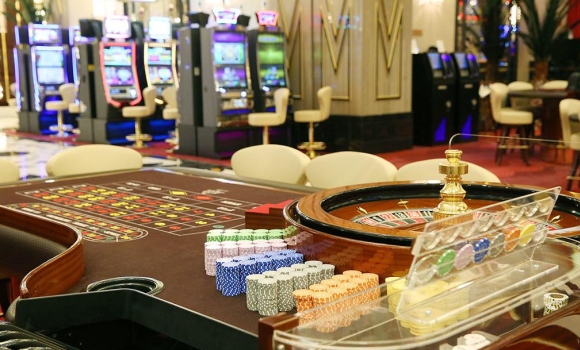
Additionally, the environment in which high-stakes gambling occurs plays a significant role in shaping players’ experiences. Casinos are designed to enhance sensory stimulation—bright lights, engaging sounds, and enticing promotions—all contribute to an atmosphere that encourages risk-taking. These elements create a feedback loop that reinforces the behavior, making it difficult for individuals to break free from the cycle of high-stakes gambling, even when it may not be in their best interest.
The Role of Emotion in Decision-Making
Emotional factors significantly influence decision-making in high-stakes gambling scenarios. Many players are driven by intense feelings, ranging from excitement to desperation, which can cloud their judgment. For instance, a winning streak may lead to overconfidence, causing players to escalate their bets beyond their financial limits. Conversely, losses can evoke feelings of frustration and anger, leading to impulsive decisions like chasing losses—a common pitfall in gambling psychology. Awareness of these pitfalls is crucial for fostering healthier gambling habits among individuals.
Research indicates that emotions can trigger a flight-or-fight response, significantly impacting how individuals react in high-stakes situations. Fear of loss may drive players to take greater risks, hoping to recoup their previous losses. This emotional rollercoaster creates a cycle where players become increasingly entrenched in the gambling experience, making decisions based on transient feelings rather than rational analysis. The interplay between emotion and decision-making is complex, underscoring the psychological challenges faced by high-stakes gamblers.
Furthermore, the social dynamics surrounding gambling can amplify emotional responses. Players often engage in discussions about strategies and outcomes with peers, which can intensify feelings of competition and camaraderie. This social interaction can sometimes lead to peer pressure, pushing individuals to make bolder bets than they would typically consider. The collective emotions in these settings can drive a sense of urgency and excitement, further complicating the decision-making process.
Cognitive Biases and Their Impact
Cognitive biases play a significant role in shaping high-stakes gambling decisions. One prominent bias is the gambler’s fallacy, where players believe that past outcomes influence future results, despite the independence of each event. For example, a player may assume that a roulette wheel is “due” for a specific number after a long run of other outcomes, leading to misguided bets. This fallacy underscores the difficulty gamblers face in understanding randomness and probability.
Another common bias is confirmation bias, where individuals seek information that supports their existing beliefs while ignoring contradictory evidence. In gambling, a player may only remember their wins and downplay losses, leading to an inflated sense of skill or luck. This selective memory reinforces the belief that they can consistently win, further entrenching them in high-stakes environments. Cognitive biases can create a distorted perception of reality, making it hard for individuals to make informed decisions.
Moreover, the anchoring effect can influence betting behavior, where players rely too heavily on the first piece of information they encounter when making decisions. For instance, a player might anchor their betting strategy based on initial successes or failures rather than continuously adjusting their approach based on changing circumstances. This tendency to cling to initial information can hinder adaptability, making it challenging to navigate the unpredictable nature of gambling.
The Social Implications of High-Stakes Gambling
High-stakes gambling does not only affect the individual; it has broader social implications as well. The communal environment of casinos often fosters connections among players, but it can also create unhealthy competition and normalization of risk-taking behavior. Individuals who engage in high-stakes gambling might influence their peers, perpetuating a cycle where risky financial behaviors become more socially accepted. This dynamic can lead to increased gambling addiction rates within communities, straining relationships and personal finances.
The impact of high-stakes gambling extends beyond immediate social circles; it affects families and communities at large. Those who experience significant losses may struggle to fulfill familial responsibilities, leading to emotional distress and financial hardship. The repercussions can ripple through families, creating a cycle of dysfunction that can take generations to resolve. Awareness of these social consequences is crucial in mitigating the adverse effects of high-stakes gambling.
Furthermore, the societal view of gambling often glamorizes risk-taking, celebrating winners while sidelining the stories of those who experience devastating losses. This selective focus on success stories creates an allure that can draw individuals into high-stakes environments without fully understanding the risks involved. As society continues to evolve, addressing the complexities of high-stakes gambling, including its social implications, will be essential in promoting a healthier relationship with risk and reward.
LolaJack Casino: A Safe Gaming Experience
LolaJack Casino UK offers a comprehensive gaming platform designed to provide a secure environment for both new and experienced players. With over 4,000 games, including slots, live tables, and jackpots, it caters to a wide range of preferences. The casino prioritizes player security, employing rigorous verification processes and ensuring rapid payouts. Such measures help create a responsible gaming experience, allowing players to focus on enjoyment without the worry of safety concerns.
New players at LolaJack are welcomed with a generous bonus package that includes up to €15,000 and 400 free spins over their first four deposits. This attractive offer encourages players to explore the diverse gaming options available while promoting responsible gambling practices. By providing robust customer support, the casino ensures that help is readily available, addressing any concerns that may arise during gameplay.
Overall, LolaJack Casino aims to deliver an exciting yet secure gaming experience, where players can indulge in high-stakes gambling with peace of mind. Through its commitment to safety and responsible gaming, LolaJack sets the standard for a rewarding online gambling adventure, appealing to those drawn to the thrill of risk and reward in a controlled environment.